THE DEATH OF JEFFREY EPSTEIN
| DATE | Found unresponsive August 10, 2019 |
| LOCATION | Metropolitan Correctional Center, New York City |
| OFFICIAL FINDING | Suicide by hanging (NYC Office of Chief Medical Examiner) |
| REVIEWS | DOJ Inspector General report, 2023; DOJ/FBI memo, 2025 |
THE CLAIM
Jeffrey Epstein, a financier awaiting federal trial on sex-trafficking charges, did not die by suicide in his cell: he was killed, or allowed to die, to protect powerful associates who feared what he might disclose.
THE THEORY, AS ITS PROPONENTS TELL IT
The theory is stated bluntly by people who are not usually conspiracists, including a former New York City chief medical examiner: Jeffrey Epstein did not kill himself, and he died because the alternative was testimony.
The circumstances are the whole argument. Epstein was the most closely watched prisoner in the American federal system, held after a previous incident on the tier, and in the hours before his death nearly every safeguard failed at once. He was taken off suicide watch. His cellmate was transferred out and not replaced. The two guards assigned to check him every thirty minutes did not, and later admitted falsifying the log: they were criminally charged for it. The cameras covering the tier malfunctioned. He had signed a will two days earlier.
The forensic dispute is real rather than invented. The New York City medical examiner ruled suicide by hanging. Michael Baden, the former chief medical examiner observing for the family, publicly dissented, citing fractures to the hyoid bone and thyroid cartilage that he argued were more consistent with homicidal strangulation than with hanging in that configuration. Pathologists disagree about how much weight that carries in a man of Epstein's age, and that disagreement has never resolved.
The motive is supplied by the client question. Epstein's trafficking operation existed to serve other people, and the identities of those people were the one thing his cooperation could have produced. Proponents note the 2008 non-prosecution agreement that had already protected unnamed co-conspirators once, negotiated by a US attorney who later became Labor Secretary; the sealed and slowly released flight logs and contact lists; and the fact that Ghislaine Maxwell was convicted of trafficking girls to people who have never been charged. The theory does not require a named killer. It requires only the observation that a great many powerful people were measurably safer on 11 August 2019 than they had been the day before.
WHAT IS KNOWN
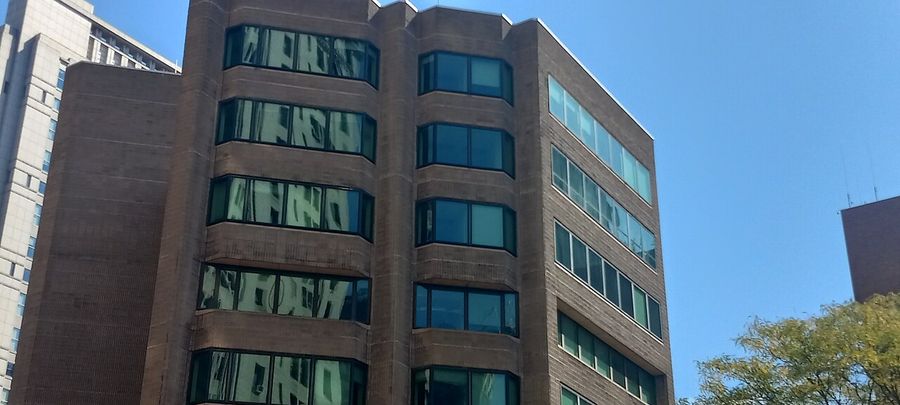
Epstein was arrested in July 2019 and held at the Metropolitan Correctional Center in Manhattan. In late July he was found in his cell with injuries to his neck and was placed on suicide watch, then removed from it after a few days. On the morning of August 10, 2019, he was found unresponsive in his cell and pronounced dead. The New York City medical examiner ruled the death a suicide by hanging.
What surrounded that finding was a cascade of institutional failure, documented in detail by the Justice Department's Office of the Inspector General in a 2023 report. The two officers assigned to his unit failed to conduct required rounds for hours and falsified log entries to say they had; both were criminally charged, and the charges were later resolved through deferred prosecution agreements rather than trial. Epstein's cellmate had been transferred out the day before he died and no replacement was assigned, contrary to the instruction that he not be housed alone. Camera coverage of the area was incomplete, and some equipment malfunctioned. The Inspector General cataloged negligence and misconduct by Bureau of Prisons personnel, while finding no evidence contradicting the suicide determination.
In 2025, the Department of Justice and FBI released a memo stating their review found Epstein died by suicide, and that investigators found no incriminating "client list" and no evidence he was murdered or that he blackmailed prominent individuals. The memo did not end the controversy; by then, few announcements could have.
EVIDENCE FOR (FOUL PLAY)
- The concentration of failures on a single night (unmade rounds, falsified logs, a removed cellmate, camera problems) around the Bureau of Prisons' most scrutinized inmate strikes many observers as improbable as coincidence.
- Michael Baden, a veteran forensic pathologist retained by Epstein's brother and present at the autopsy, publicly argued that the pattern of neck fractures was more consistent with homicidal strangulation than with hanging. The medical examiner's office stood by its ruling.
- Epstein plausibly possessed information damaging to wealthy and powerful associates, supplying an obvious motive in theory, though motive alone is not evidence.
EVIDENCE AGAINST
- Every official body to examine the death, the medical examiner, the FBI, the DOJ Inspector General, and the 2025 DOJ/FBI review, reached the same conclusion: suicide, with no evidence of an intruder or foul play.
- The Inspector General's report explains the failures as chronic, systemic dysfunction, understaffing, mandatory overtime, and lax supervision at MCC, rather than orchestration. The facility itself was shut down in 2021 amid broader condition and management problems.
- Epstein had a documented prior incident weeks earlier that prison officials treated as a possible suicide attempt, and he faced charges likely to keep him imprisoned for life.
- The officers' falsified records were tied to skipped rounds, a documented pattern in the federal prison system generally, and prosecutors never alleged their conduct was part of a plot.
ASSESSMENT
No evidence of murder has surfaced in six years of investigation, litigation, and declassification, and this office will not manufacture any. But the contested stamp stays, because the distrust is not irrational: the government's own inspectors documented that nearly every safeguard meant to keep this man alive failed at once, and that officials then falsified the records. When institutions perform this badly around a death this consequential, they forfeit the benefit of the doubt, even when their conclusion is, on the available record, correct. The finding is suicide. The failure is official. Both can be true.
WHAT WOULD CHANGE THE GRADE
- To CONFIRMED as homicide: an independent forensic re-examination, or an account from someone inside the facility that night. The hyoid fracture that Michael Baden emphasised is consistent with both hanging and strangulation, particularly at that age, so it does not decide the question.
- The Justice Department Inspector General's 2023 report found negligence, misconduct, and falsified records, and did not find evidence of foul play.
- The cell was not covered by a working camera, the two officers falsified their checks, and the hallway footage was unusable. Those failures are documented fact, and the fact that they all occurred at once is the whole reason this file will not close.
FURTHER READING
- Jeffrey Epstein’s death: what we know and don't knowtheguardian.com
- Jeffrey Epstein's donations to young pupils prompts US Virgin Islands reviewtheguardian.com, archived
- Wikipedia: Death of Jeffrey Epstein
- U.S. Department of Justice, Office of the Inspector General, report on the Bureau of Prisons' custody of Jeffrey Epstein (2023)
- DOJ/FBI memorandum on the Epstein files review (2025)
- Wikipedia: Metropolitan Correctional Center, New York
RELATED FILES IN THIS ARCHIVE
- OSA-025 · THE BUSINESS PLOTCONTESTEDA general testified he was recruited to overthrow Roosevelt
- OSA-069 · THE OCTOBER SURPRISECONTESTEDDid a campaign bargain to keep hostages in captivity?
- OSA-058 · OPERATION SNOW WHITECONFIRMEDA church put agents inside the IRS and the Justice Department
- OSA-180 · ENRONCONFIRMEDA company that reported profits it had invented, and the audit firm that signed it